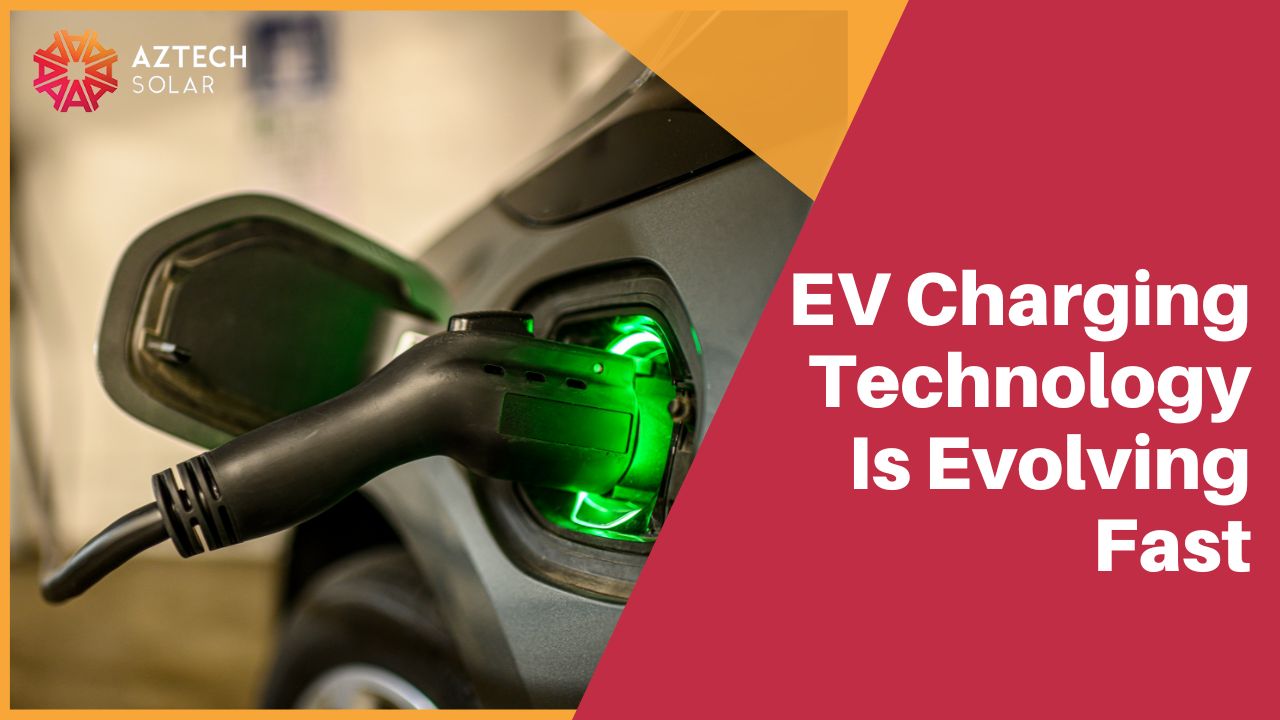
Electric vehicles are no longer held back by slow charging or limited infrastructure. Fast charging, solar integration, wireless systems, and bidirectional power flow have all matured significantly, making EVs more practical for Australian homes, businesses, and regional travel.
This article explains how each technology works, what it means for daily EV use, and how solar power fits into the picture.
How Fast Charging Has Changed EV Adoption
Earlier EV models required several hours to charge fully, which made longer trips and frequent driving impractical. Modern DC fast chargers have cut that time dramatically. Many current systems can deliver 80% charge in 30 minutes or less, depending on the vehicle’s onboard charging capacity and the station’s output.
Charging infrastructure has also expanded across highways, shopping centres, and public car parks. Multi-unit sites allow several vehicles to charge simultaneously, reducing wait times. For commercial fleets and delivery vehicles, this translates directly into less downtime between runs and more predictable daily scheduling.
Removing the time barrier has helped shift how people evaluate EVs. Rather than treating them as a niche or limited-use option, more drivers are considering them for the same roles petrol vehicles currently fill.
Charging Levels Explained
Understanding charging speeds requires knowing the difference between the main levels:
- Level 1 (AC, slow): Uses a standard power outlet. Adds roughly 8 to 15 kilometres of range per hour. Suitable only for low-mileage drivers or as an emergency top-up.
- Level 2 (AC, home and public): Uses a dedicated wall charger, typically 7 kW to 22 kW. Adds 40 to 120 kilometres of range per hour depending on output and vehicle. The most practical option for daily home charging.
- Level 3 / DC fast charging (public): Outputs from 50 kW to over 300 kW. Can charge most EVs from near-empty to 80% in 20 to 40 minutes. Found at highway charging hubs and high-traffic public locations.
Most Australian households install a Level 2 wall charger. DC fast charging is reserved for public infrastructure due to the electrical demand it places on local supply.
Smarter Home Charging with Energy Monitoring
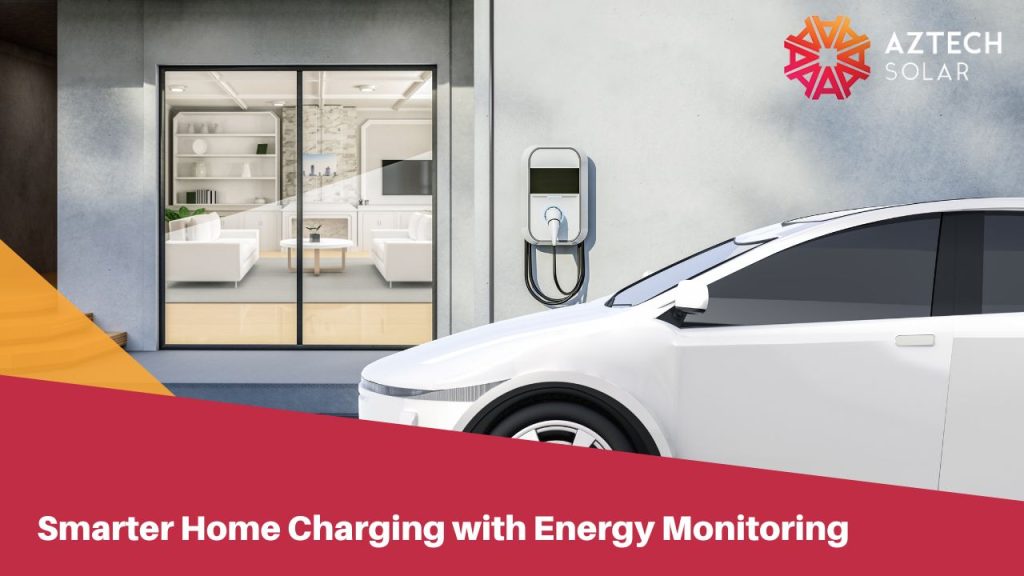
Charging at home remains the most convenient option for most EV owners. Wall-mounted chargers can be installed in garages or carports using the existing residential power supply, and most will fully charge a vehicle overnight on a Level 2 unit.
Newer home chargers go further than basic charging. Many include energy monitoring features that let users track electricity consumption, schedule charging during off-peak tariff periods, and reduce running costs over time.
Tracking how much energy your EV uses each week is straightforward with these systems, and pairing that data with solar generation output makes it easier to prioritise renewable energy for charging.
Tools like solar monitoring give households a clear picture of when solar generation is available and how it relates to EV charging demand, which helps avoid drawing unnecessarily from the grid during peak pricing windows.
For homes managing overall load limits, smart chargers can also balance EV charging against other household power demands to avoid tripping circuits or exceeding supply capacity.
Solar Charging Integration in Homes and Public Spaces
Charging an EV using solar energy reduces both grid demand and running costs. Solar-powered EV chargers draw electricity directly from rooftop panels or nearby solar arrays, and the setup works across residential properties, commercial buildings, and public charging locations.
At home, excess solar generation during the day can be directed to the vehicle rather than exported to the grid at a low feed-in tariff. Combined with battery storage, this can also provide energy for charging at night or during overcast periods, reducing long-term charging costs and dependence on variable grid pricing.
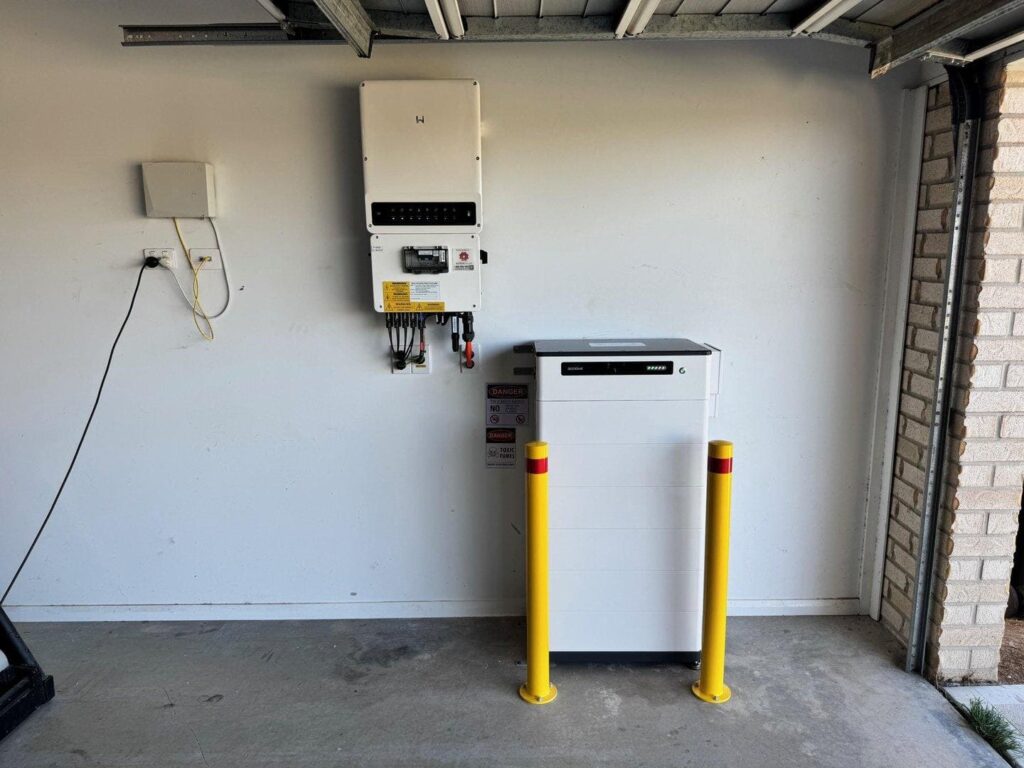
Purpose-built hardware makes this easier to manage. The SolarEdge home EV charger integrates directly with a home solar system to coordinate charging with available solar generation, which improves self-consumption without requiring manual adjustment.
In public spaces, solar charging stations are often mounted on shade structures over car parks. These serve dual purposes: generating electricity and protecting vehicles from heat. Many public units are paired with batteries or grid backup to maintain consistent output during low-sunlight hours.
Local councils and businesses are adopting these systems in high-traffic areas as part of broader low-emission transport planning. As solar hardware costs continue to fall, solar-powered charging is expected to become a standard part of Australian public and commercial infrastructure.
How Wireless Charging Works and Where It Is Headed
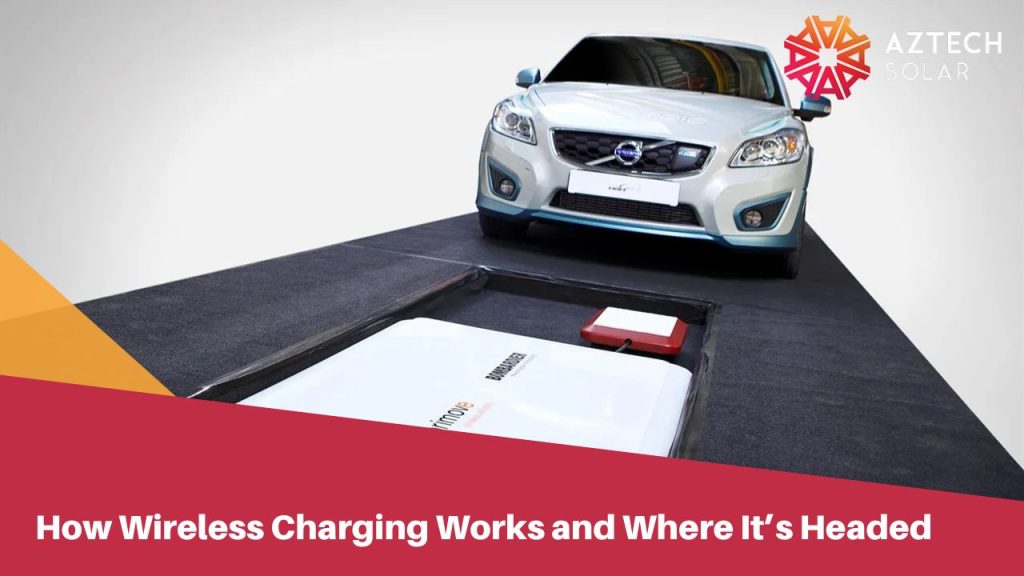
Wireless EV charging uses magnetic induction to transfer electricity between a ground-mounted pad and a receiver fitted to the underside of the vehicle. When the car is parked correctly over the pad, the battery charges without any plugs or cables.
Current wireless systems are generally slower than wired alternatives, with most operating at power levels comparable to a standard Level 2 AC charger. However, trials in commercial fleet settings and public car parks are progressing, and speeds are improving. The primary advantage is convenience: park and walk away.
Future applications may include wireless pads embedded into parking bays at taxi ranks, bus depots, and workplace car parks. Some researchers are also testing in-road systems capable of topping up vehicles moving slowly through equipped lanes, though this remains in early-stage development.
Wireless charging is not yet widely available in Australia, but it is expected to play a growing role in urban and high-density charging infrastructure over the coming years.
Bidirectional Charging and Grid Use
Bidirectional charging enables an EV battery to send electricity back out, not just receive it. This opens two main use cases: vehicle-to-home (V2H), where the car powers household appliances during an outage or peak period, and vehicle-to-grid (V2G), where stored energy is exported back to the electricity network.
For households with rooftop solar, the practical sequence is straightforward. Solar generation charges the EV during the day. At night or during high-tariff periods, the EV battery supplies the home, reducing what is drawn from the grid.
In areas with time-of-use tariffs, this can meaningfully lower electricity costs.
Businesses and fleet operators are testing similar approaches. EVs that sit idle between shifts can act as on-site backup power or support load management during peak demand windows. As V2G programmes develop in Australia, there may also be opportunities for EV owners to earn payments for exporting stored energy.
Both the vehicle and the charger must support bidirectional operation. Compatibility is expanding but is not yet universal, so it is worth confirming before purchase if this is a priority.
EV Charging Solutions from Aztech Solar
Aztech Solar supplies EV charging systems for homes, businesses, and solar setups across Australia. The range includes home wall chargers, solar-compatible units, and models that support bidirectional power use, all designed to suit Australian conditions and work with existing rooftop solar or battery storage.
The EV charger options available include models compatible with energy monitoring and off-peak scheduling, which help households manage power usage and reduce grid reliance. When paired with solar panels, these systems can reduce per-kilometre charging costs further.
Installations are carried out by the in-house team, ensuring safe setup and reliable ongoing operation.
Frequently Asked Questions
Can solar panels fully charge an electric car?
Rooftop solar can charge an EV using daytime generation, and when paired with battery storage it can also support charging at night or during overcast conditions. Whether it fully covers your needs depends on system size, daily driving distance, and when you charge.
Is off-grid solar EV charging possible?
Yes. An off-grid setup uses solar panels and battery storage to charge without a grid connection, though it needs enough panel capacity and storage to cover charging demand across multiple days, including periods of low sunlight.
How does wireless EV charging work?
Wireless charging transfers electricity through magnetic fields between a ground pad and a receiver on the vehicle, so the car charges when parked over the pad without cables. Current systems are generally slower than wired charging but are improving as the technology develops.
What is the difference between V2G and V2H?
Vehicle-to-grid (V2G) allows an EV to export stored electricity back to the public grid, which may generate payment or credits depending on the network arrangement. Vehicle-to-home (V2H) directs that stored energy to power the household instead, acting as backup during outages or reducing grid draw during peak tariff periods. Both require a compatible vehicle and a bidirectional charger.