Solar panels are built to run reliably for decades, and most quality panels last 20 to 30 years before replacement is needed. They rarely fail all at once; instead, output slips and visible damage accumulates over time. Below are six clear signs it may be time to replace your panels, plus what to do about each.
1. Decreased Performance and Output
A decline in energy production is often the first sign that something is wrong. Compare your system’s output against the manufacturer’s specifications using your monitoring software or a multimeter during peak sunlight hours on clear days.
Most solar panels degrade at roughly 0.5% per year, so by year 20 a well-maintained array should still produce around 90% of its original output. A steeper drop than that warrants investigation.
Factors that accelerate output loss
- Shading from new structures or tree growth
- Debris and soiling that have not been cleared
- Hail, strong wind, or extreme heat events
- Hidden internal damage with no obvious visual clue
If output is well below expectations after ruling out shading and soiling, schedule an inspection with a certified technician before losses compound further.
2. Physical Damage or Degradation
Cracks, chips, or scratches on the surface glass allow moisture and debris into the internal cell layers, reducing energy output and speeding up further degradation. Australia’s mix of hailstorms, coastal salt, and extreme heat makes physical damage a realistic risk throughout a panel’s life.
Inspect the array after any severe weather event. Minor surface chips can sometimes be repaired, but widespread cracking or frame damage usually means replacement. Panels with tempered glass and reinforced frames handle harsh conditions better over the long term.
3. Expired Lifespan and Compatibility Issues
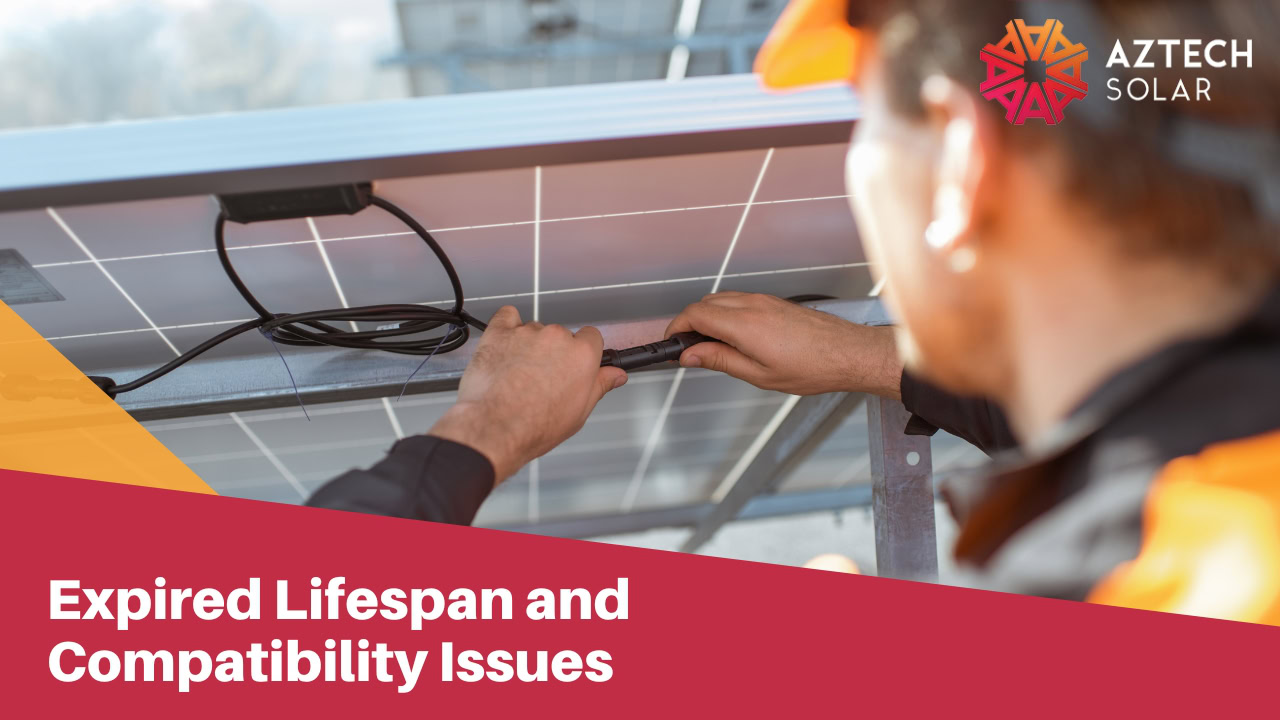
Most panels have a functional lifespan of 20 to 30 years. Beyond that point, conversion efficiency drops significantly and older panels may no longer be compatible with modern inverters, mounting systems, or battery storage solutions.
If your household or business energy use has grown, or your current array relies on components no longer supported by manufacturers, upgrading makes both technical and financial sense. Newer panels deliver higher wattage and better integration with smart energy management. For homeowners weighing whether to upgrade an ageing system, understanding is solar worth the cost for their specific situation is a useful starting point.
4. Discolouration and Burn Marks
Yellowing, browning, or dark streaks across panel surfaces indicate UV degradation or low-quality manufacturing materials. These defects disrupt even heat distribution and reduce overall efficiency.
Burn marks near conductive strips are a more urgent concern. They are typically caused by localised overheating and may point to underlying electrical faults that carry a safety risk if left unaddressed. Any burn marks should be assessed by a certified technician promptly to determine whether repair or replacement is needed.
5. Microfractures and Structural Weaknesses
Microfractures are tiny cracks in photovoltaic cells that form from temperature cycling, hail impact, or rough handling during installation. They are not visible to the naked eye but disrupt current flow and can develop into hot spots that accelerate further cell breakdown.
Electroluminescence (EL) imaging carried out during a professional inspection can detect microfractures before they cause significant output loss. Panels found to have widespread fracturing generally need replacing to prevent ongoing performance decline.
Careful handling during installation and maintenance reduces the risk of introducing these cracks in the first place.

6. Counterfeit or Substandard Panels
Panels that do not meet industry standards degrade faster, absorb energy less efficiently, and often carry much shorter real-world lifespans than their labelling suggests. The Clean Energy Regulator advises verifying that any panels installed are accredited and meet Australian standards, which include testing for the climate conditions found across the country.
If your system contains non-accredited components, replacing them with certified alternatives restores both performance reliability and warranty eligibility.
Additional Considerations When Replacing Panels
Upgrading to Advanced Technologies
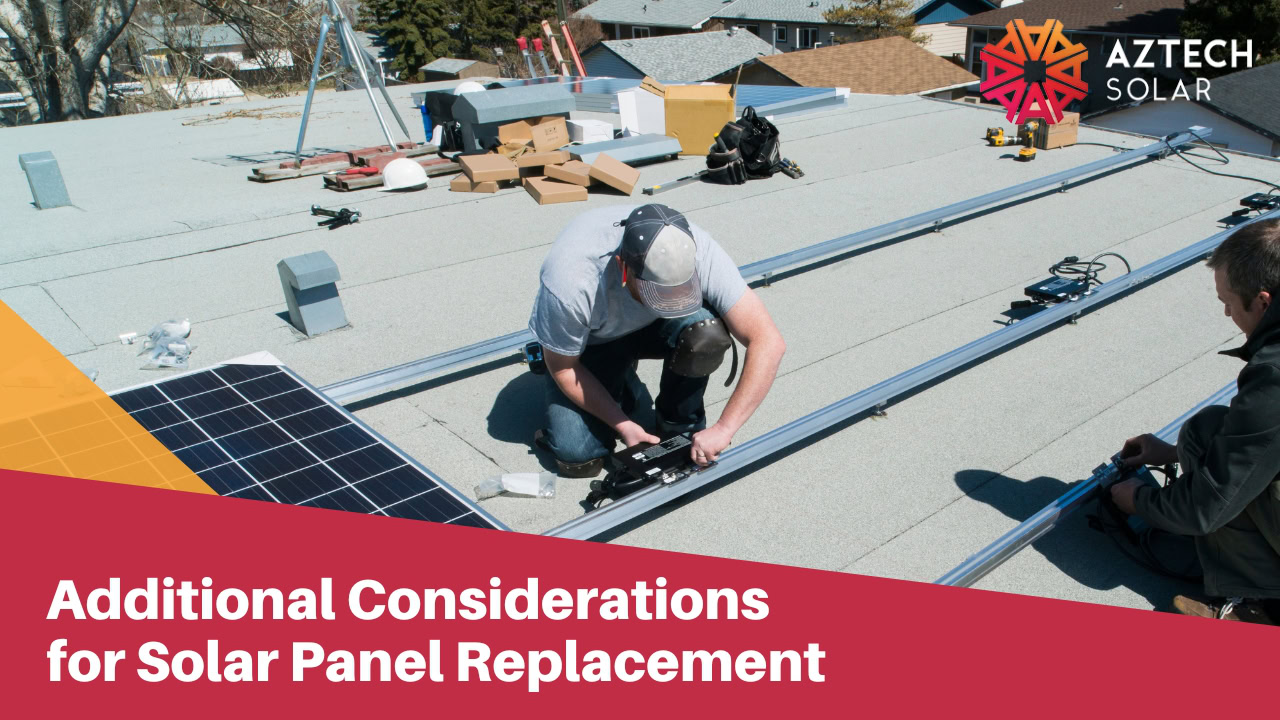
Replacement is an opportunity to adopt panels with meaningfully better efficiency, stronger low-light performance, and greater resilience to environmental stress. Tracking latest solar technology advancements helps identify where genuine gains are available for your roof size and energy profile.
Recycling and Sustainability
Old panels should not go to landfill. Recycling programs in Australia, including those supported by PV Industries, recover silicon, glass, and metals for reuse. Using a certified recycling facility ensures disposal is handled responsibly.
Routine Professional Inspections
Regular inspections by Clean Energy Council-accredited technicians catch performance issues early, before they become replacement decisions. Scheduled check-ups also let you plan upgrades ahead of end-of-life rather than reacting to sudden failures.
When to Call a Professional: A Quick Reference
| Situation | Recommended action |
|---|---|
| Output down 10% or more, no obvious cause | Professional inspection and EL imaging |
| Visible cracks or frame damage after weather | Inspection within days; replacement likely |
| Burn marks near conductors | Urgent technician assessment |
| System older than 20 years, components outdated | Replacement or upgrade assessment |
| Discolouration across multiple panels | Technician evaluation to confirm cause |
| Non-accredited panels identified | Replace with certified alternatives |
Frequently Asked Questions
How often do solar panels need to be replaced?
Most quality panels last 20 to 30 years and degrade about 0.5% a year, so a full replacement is only needed near end of life or when damage, discolouration, or output loss appears earlier.
Should I repair or replace a faulty panel?
Repair minor faults such as loose wiring or a single cracked module. Replace when output is well below expected levels, damage is widespread, or the array is approaching end of life.
How do warranties apply to solar panel replacement?
Most systems include both a performance warranty and a product warranty. Coverage depends on the panel’s age, the nature of the fault, and the terms set by the manufacturer or installer. Check your documentation before booking any work.
Can I add a new panel to an existing string?
This is possible if voltage and current ratings match the existing string and the roof layout allows it. Mixed panel models can cause mismatch losses, so many owners choose to update a full string rather than add a single panel.
Do the mounting rails need replacing when panels are swapped?
Often the rails can remain in place if spacing and wind-load ratings suit the new modules. Wiring and isolators may need updating to meet current electrical standards, which a licensed installer will confirm on site.
How long does a panel replacement take?
A standard string swap is typically completed within a day. Power is off only during electrical work, and unaffected circuits remain live throughout.
What drives wear in Australian conditions specifically?
Heat, UV intensity, hail, and coastal salt exposure are the primary accelerators of panel wear in Australia. Planned annual or biennial inspections help identify damage early and retain output across the panel’s full life.