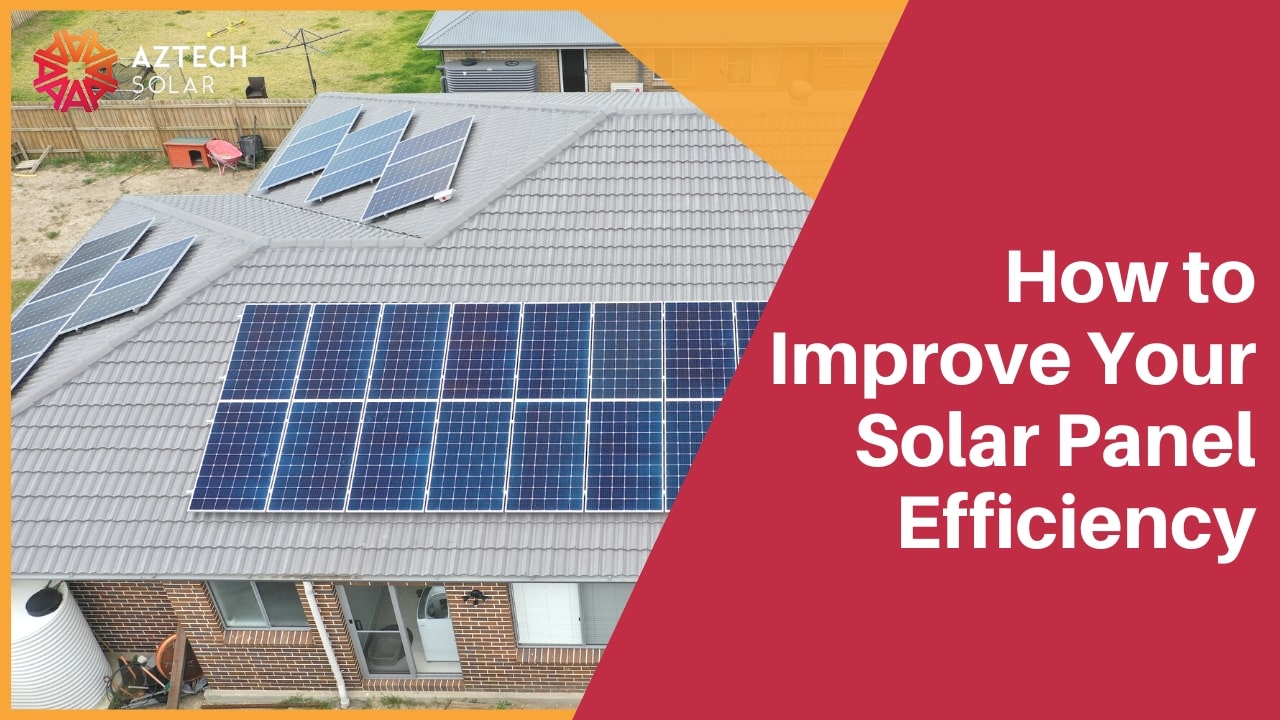
Most solar systems underperform not because of faulty panels but because of fixable issues: poor placement, accumulated grime, shading, and habits that work against the system. Adjusting these can lift real-world output without replacing any hardware.
Here is what actually makes a difference.
Choose the Right Roof Area
Solar panels deliver the most consistent output when installed where sunlight is least interrupted. In Australia, north-facing roofs offer the steadiest daily generation. Where a full north-facing array is not possible, splitting panels across east and west sections captures both morning and afternoon sun.
Effective placement also means avoiding areas near chimneys, aerials, or anything that casts shadow during peak hours. Leaving airflow space beneath the array helps prevent heat build-up, which matters more than many homeowners expect.
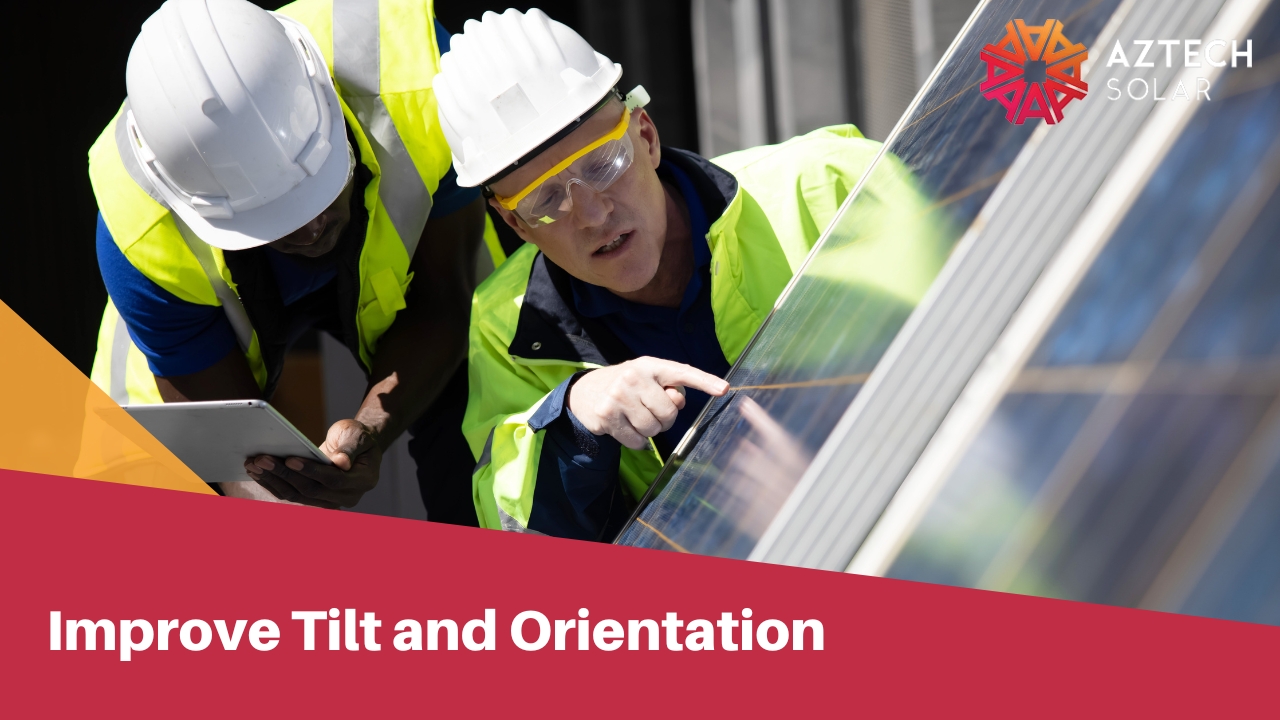
Improve Tilt and Orientation
Tilt angle determines how directly sunlight strikes the panel surface throughout the day. For most Australian locations, a tilt between 20 and 35 degrees produces strong output during the late morning and early afternoon window when household demand is often highest.
Orientation shapes the daily production curve. North-facing panels provide the most consistent midday generation. East-facing panels front-load output into the morning, while west-facing panels extend useful production into the afternoon. A split array may suit households with uneven daily schedules.
Reduce Heat Build-up
Sunlight drives production, but excessive heat reduces it. As panel temperature rises, voltage drops, so the same amount of sunlight converts to less usable energy.
Mounting panels with a gap between the array and roof surface allows heat to escape. Inverters should be placed in shaded, well-ventilated locations rather than in direct sun or enclosed spaces. If output is consistently lower on hot summer afternoons than the system’s location and tilt would suggest, thermal losses are worth investigating.
Remove or Prevent Shading
Even partial shading on one panel can reduce output across the array, depending on how the system is wired. Trees, satellite dishes, aerials, and nearby structures are common culprits, particularly in early morning and late afternoon.
Practical shading management:
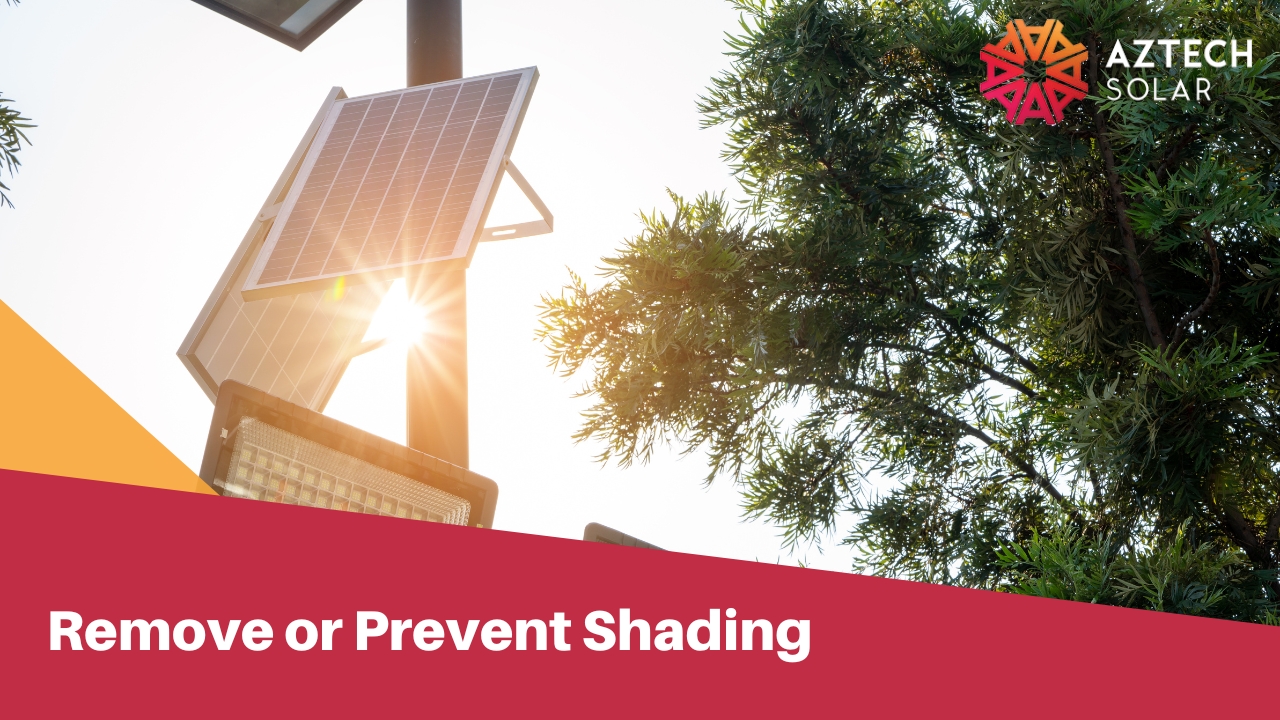
- Keep tree limbs trimmed clear of the roof line
- Relocate satellite dishes or roof fixtures that shadow panels
- Use panel optimisers or microinverters where shade cannot be fully eliminated
Clean Panels Safely and Effectively
Dust, pollen, bird droppings, and urban pollution settle on panel surfaces and block incoming light. The effect builds gradually, which is why many households do not notice until output has already fallen.
Safe cleaning approach:
- Rinse with clean water from a hose at low pressure
- Use a soft brush or sponge only where grime is visible and will not shift with rinsing
- Clean early in the morning or late in the afternoon to avoid thermal shock from cold water on hot glass
- Avoid detergents and abrasive products
- Hire a professional cleaner for high or steep roofs
Even light surface grime can reduce output by 5 to 15 percent if left unchecked.
Track Output With Monitoring Tools
Most modern inverters include built-in solar monitoring accessible through a smartphone app or web dashboard. Reviewing generation data regularly makes it easier to catch a drop in output before it becomes a significant loss.
Useful monitoring tells you:
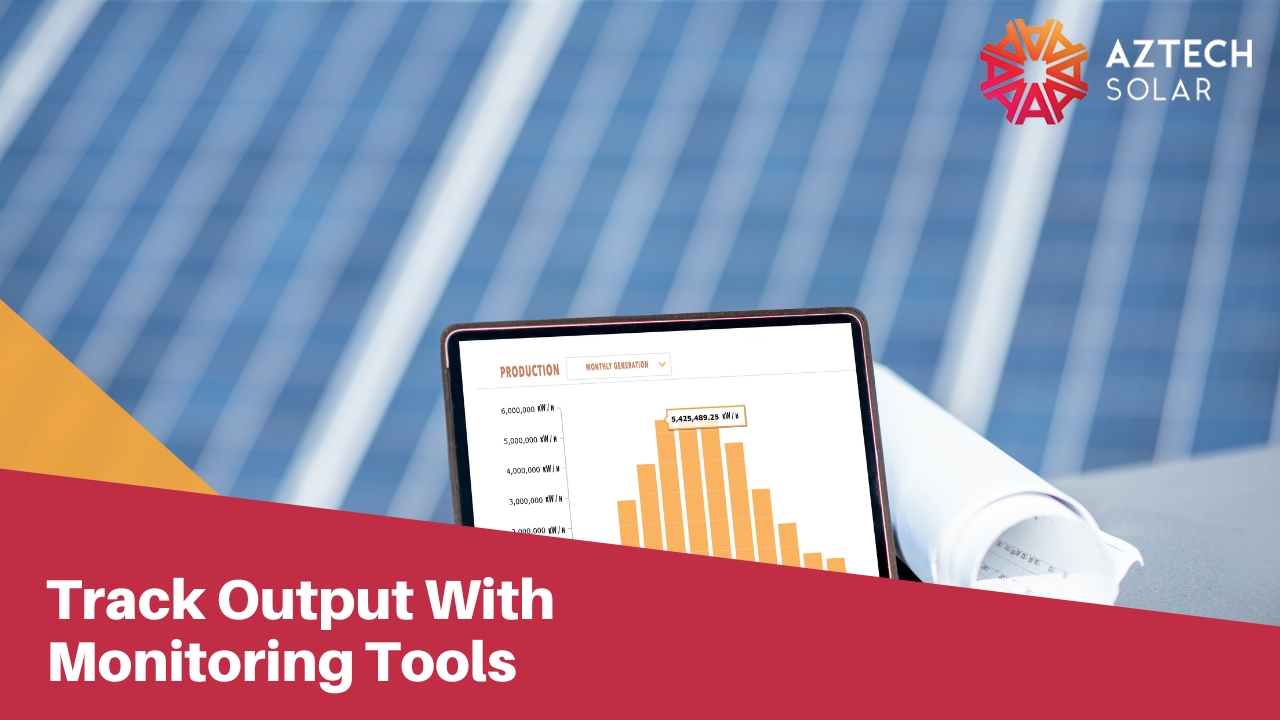
- Daily and historical energy generation
- System alerts and fault notifications
- Peak production windows to inform appliance scheduling
If your current inverter does not include monitoring, external tracking hardware can be added to most systems.
Use Appliances During Solar Hours
Solar output peaks roughly between 10am and 3pm. Running high-draw appliances during this window means you consume power as it is generated rather than drawing from the grid or depleting a battery.
Practical scheduling changes:
- Run dishwashers and washing machines late morning or early afternoon
- Set pool pumps and water heaters to run on timers during peak solar hours
- Avoid running several high-load appliances simultaneously
- Spread larger loads across the middle of the day rather than stacking them at either end
This change in habits increases self-consumption and reduces reliance on grid imports.
Lower Household Load
The more efficiently a home uses energy overall, the more of its total demand the solar system can cover. Reducing background consumption is often the fastest way to see a measurable improvement in the proportion of the household’s energy supplied by solar.
Effective habits include switching to LED lighting throughout the home, turning appliances off at the wall rather than leaving them on standby, and improving ceiling and window insulation to reduce heating and cooling demand. Lowering standby loads across the home can be a meaningful contributor.
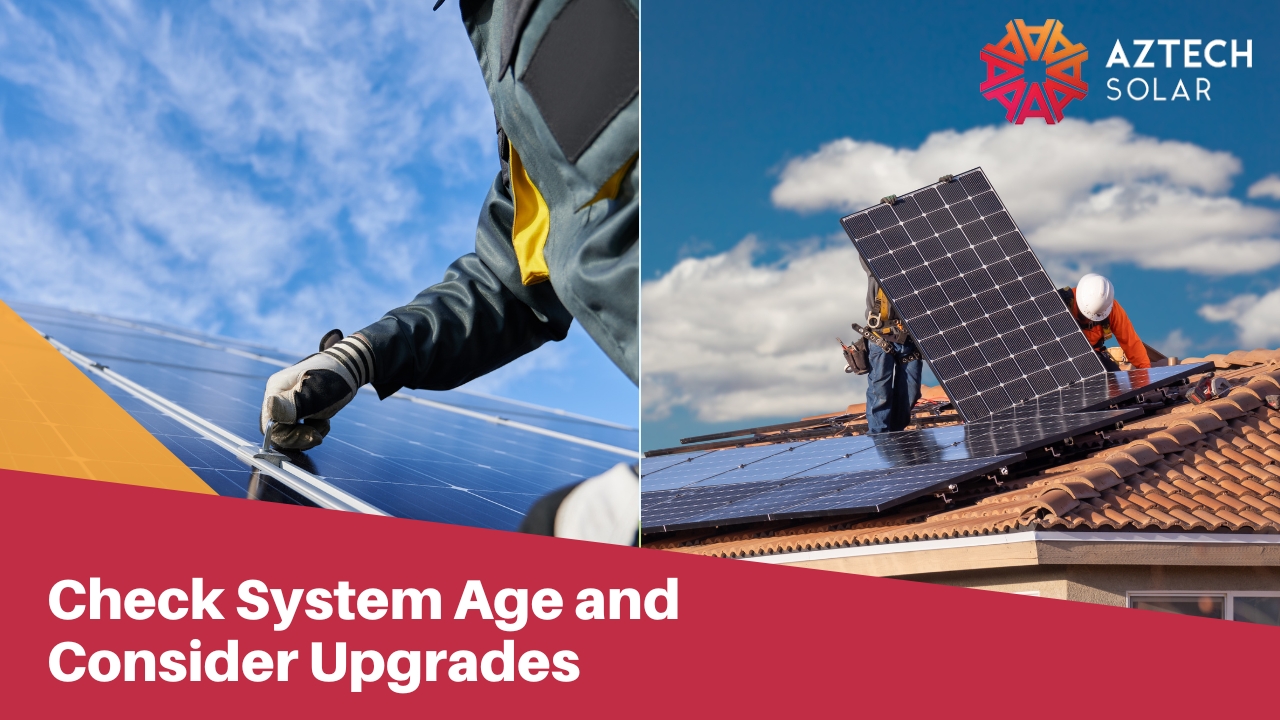
Check System Age and Consider Upgrades
Solar systems lose a small amount of output each year as panels and inverters age. If energy use in the home has also grown since installation, the gap between supply and demand widens faster.
Signs that an upgrade may be worth assessing:
- Output has declined steadily year on year compared to historical monitoring data
- Panels show visible surface wear, corrosion, or cracking
- The inverter produces frequent warnings or disconnections
- The system has no monitoring capability at all
Advances in panel design and inverter performance mean that modern solar technology now offers meaningfully higher conversion rates and better heat tolerance than systems installed ten or more years ago. Replacing worn components can restore output and, in some cases, exceed the system’s original performance.
Maintain the Inverter and Cabling
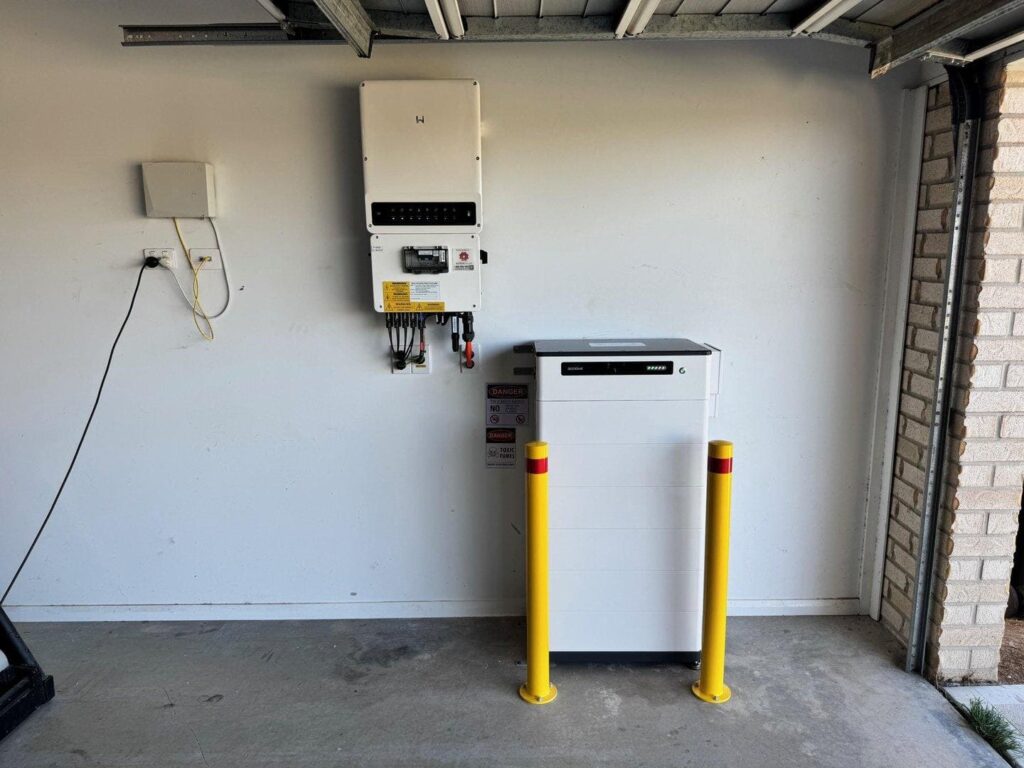
The inverter works constantly, converting DC output from the panels into AC power for household use. It is exposed daily to temperature swings, dust, and vibration, and its condition directly affects how much of the panels’ output reaches usable form.
Keep the inverter area clear of obstructions and check that ventilation slots are free of dust and debris. Watch for blinking indicator lights or warning symbols on the display. Any change in normal inverter behaviour should be assessed by a qualified electrician rather than left to self-resolve.
Cabling and connectors also deserve periodic attention, particularly where UV exposure or pest activity may have affected the insulation or fittings over time.
Maintain Installation Safety Standards
Standards for solar installations are updated periodically. As systems age, fasteners can loosen, safety labels fade, and roof penetrations shift slightly. These small changes can lead to leaks or electrical faults if they go unaddressed.
A licensed solar technician can inspect panel fixings, isolator switches, and roof seals. If your system was installed before recent standards were updated, a technician can confirm whether any corrections are required.
When to Speak With a Technician
Output that no longer reflects your home’s location, roof angle, or historical generation record may point to an underlying problem. Grime, string faults, and inverter issues can all cause gradual drops without triggering obvious alarms.
At Aztech Solar, system assessments cover inverter logs, panel condition, and installation layout to identify what is causing reduced output and what will realistically fix it. Whether the answer is cleaning, tilt adjustment, or a component upgrade, the focus is on practical outcomes for the household rather than unnecessary replacements.
Frequently Asked Questions
Do solar panels still produce power in low light?
Yes, but output drops. Panels generate less on overcast days and during early morning or late afternoon, so shading control, correct tilt, and scheduling appliance use during midday matter most for maintaining steady returns.
How often should solar panels be cleaned?
Most home systems benefit from a check every 6 to 12 months, or more frequently in dusty areas or near trees. Even light grime can reduce output by 5 to 15 percent, so rinsing gently with clean water is usually enough and detergents should be avoided.
Can I improve solar performance without upgrading hardware?
Often yes. Removing shade, cleaning panels, running large appliances between 10am and 3pm, and reducing standby consumption across the home can lift real-world output before any component replacement becomes necessary.